
Key takeaways
- Most DC kitchen and bathroom remodels require building permits from the DC Department of Buildings (DOB).
- Plumbing changes, new electrical circuits, structural modifications, gas line work, and mechanical ventilation all trigger a permit.
- Replacing countertops, cabinet fronts, and fixtures in the same location generally does not require a permit.
- In historic districts, review applies to changes that affect a building's exterior, not most interior kitchen and bathroom work.
- The public SCOUT portal at dob.dc.gov shows what permits have been pulled and closed on any DC address.
Most kitchen and bathroom remodels in Washington DC require building permits from the DC Department of Buildings (DOB). Any work involving plumbing changes, new electrical circuits, structural modifications, gas line work, or mechanical ventilation needs a permit. Replacing countertops, cabinet fronts, and fixtures in the same location generally does not. If you live in one of DC’s many historic districts, some exterior-facing work also requires review by the Historic Preservation Review Board before permits can be issued.
What does NOT require a permit in DC
Purely cosmetic work that leaves all systems in place typically does not need a permit:
- Repainting walls, ceilings, or cabinets
- Replacing cabinet doors and drawer fronts without moving the cabinet boxes
- Swapping countertops without moving the sink or any plumbing connections
- Installing new flooring over an existing finished floor without modifying the subfloor
- Replacing appliances in the same location (refrigerator, range, dishwasher)
- Replacing a faucet, showerhead, or toilet in the same location without rerouting supply or drain lines
If your kitchen or bathroom refresh stays entirely cosmetic and nothing moves, you are likely in no-permit territory. When in doubt, the DC Department of Buildings offers a Permit Wizard tool at dob.dc.gov to help you determine what your specific project requires before you start.
What triggers a permit in DC
Most full kitchen or bathroom renovations touch at least one of these categories.
Structural changes: Moving or removing walls, including load-bearing walls to create an open floor plan, requires a building permit and typically a structural engineer’s review.
Plumbing work: Moving the sink, toilet, or tub to a new location, adding a kitchen island with a prep sink, or rerouting supply and drain lines all require plumbing permits from DOB.
Electrical work: Installing new dedicated circuits for a dishwasher, microwave, refrigerator, or garbage disposal, adding GFCI-protected outlets near the sink or tub, or making any changes to the electrical panel require an electrical permit.
Gas work: Moving a gas line for a range or cooktop, or adding a new gas connection, requires a separate gas permit. Gas inspections are independent of plumbing inspections.
Mechanical work: Installing or replacing a range hood that exhausts to the exterior, or adding mechanical ventilation in a bathroom, requires a mechanical permit.
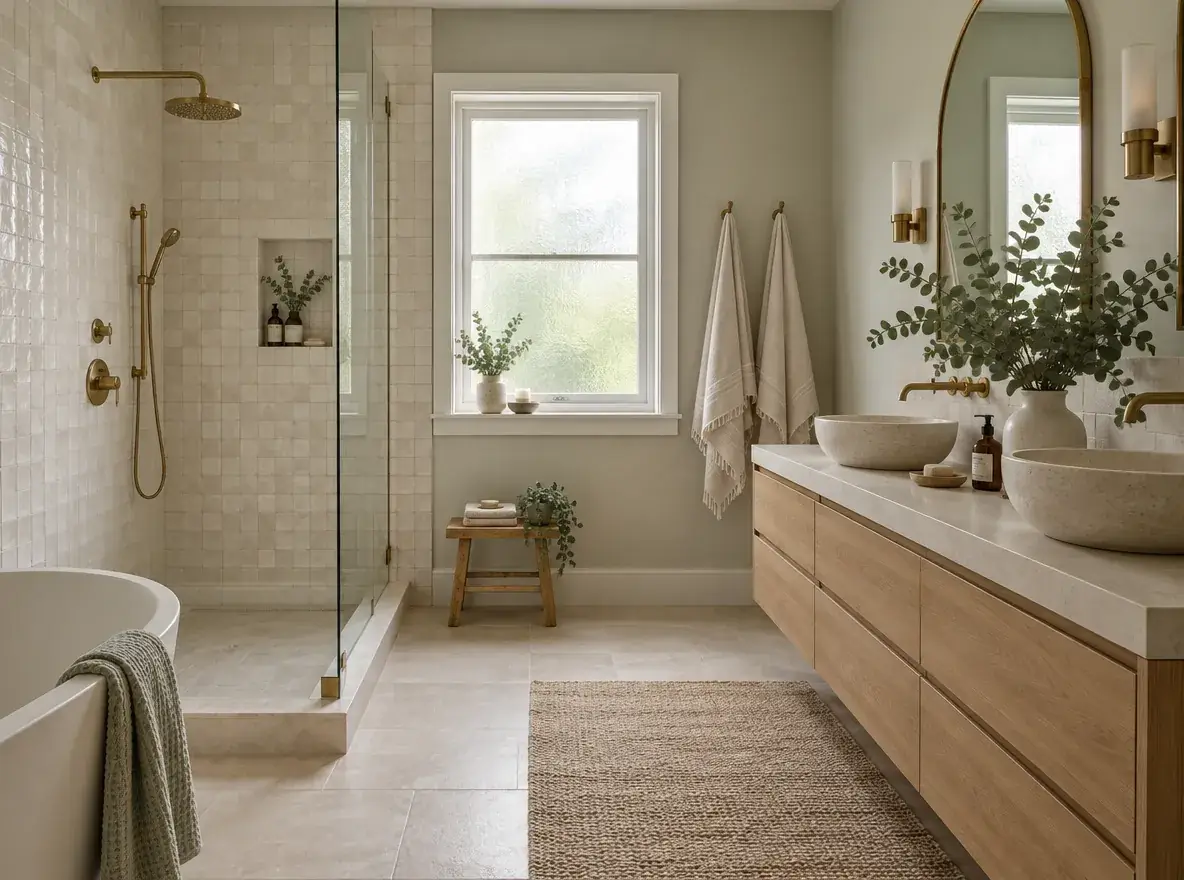
A full bathroom gut renovation that relocates the toilet, converts a tub to a walk-in shower, and updates lighting and outlets typically requires plumbing and electrical permits. A countertop-only swap in a bathroom that leaves the sink, toilet, and all connections in place typically needs nothing.
Who pulls the permits
Your contractor typically applies for and pulls the permits on your behalf through the DC Department of Buildings. The DOB processes permit applications through its Citizen Access Portal and ProjectDox document management system, both accessible at dob.dc.gov.
As the homeowner, you are ultimately responsible for ensuring that permitted work has been permitted. Before work starts, ask your contractor to show you the permit or the pending application status in the DOB portal. A licensed contractor will have it ready or will show you the confirmation.
To check permit status or look up the permit and inspection history on any DC property, use the SCOUT portal at dob.dc.gov. SCOUT is public-facing and shows what permits have been pulled and closed on any address in the District.
Historic districts in DC
Washington DC has dozens of historic districts, including Georgetown, Capitol Hill, Dupont Circle, and Logan Circle. The DC Historic Preservation Office (HPO) and the Historic Preservation Review Board (HPRB) oversee changes to properties in these areas. The HPO is managed through the Office of Planning at planning.dc.gov.
For most interior kitchen and bathroom renovations, historic district status does not add requirements. Historic review applies to changes that affect the exterior appearance of a building.
Renovation scenarios that can trigger HPRB review include:
- Adding or enlarging exterior windows as part of a kitchen or bathroom expansion
- Installing exterior ventilation for a range hood or bathroom exhaust fan through an original facade
- Adding a rear addition that alters the rear elevation of a historic row house
If your project involves any exterior change and you live in a historic district, contact the DC Historic Preservation Office at planning.dc.gov before applying for permits. The HPO is at 899 North Capitol Street NE, (202) 442-7600. Proceeding without required historic review can result in stop-work orders and mandatory reversal of completed work.

Inspections
When permits are required, DOB inspections follow at stages of the work. Rough-in inspections for plumbing and electrical happen before walls are closed. Final inspections for each permitted trade close out the permit.
Your contractor is responsible for scheduling each inspection. Work should not advance past an inspection stage until it is passed and recorded in the DOB system. A contractor who wants to skip inspections is a red flag.
What happens if you skip permits in DC
Working without required permits carries real consequences:
- Stop-work orders from DOB can halt a project mid-construction
- Fines for unpermitted work can accumulate per day of violation
- When you sell your home, a title search or buyer inspection will flag unpermitted work, and you may need to retroactively permit or remove it before closing
- Homeowner’s insurance may deny claims for damage tied to unpermitted electrical, plumbing, or structural work
Retroactive permits in DC typically cost more than original permits and may require opening walls to expose completed work for inspection.
FAQ
Does replacing a bathroom vanity and toilet require a permit in DC?
Replacing both in the same location without rerouting plumbing or adding new electrical circuits typically does not require a permit. If you are relocating either fixture, adding outlets near the sink, or converting a tub space to a shower, permits are required. Use the DOB Permit Wizard at dob.dc.gov to confirm for your specific project.
Where do I contact the DC Department of Buildings?
The DC Department of Buildings is located at 1100 4th Street SW, Washington, DC. The main line is (202) 671-3500. For permit applications, documentation submission, and permit status, use the Citizen Access Portal and ProjectDox system at dob.dc.gov.
Can a homeowner pull their own permit in DC?
In some circumstances, DC homeowners can pull permits for their own primary residence. However, licensed trade contractors are required for most permitted work in the District. Confirm with DOB whether owner-pulled permits apply to your specific scope of work before you proceed.
How long does DC permit processing take?
Processing times vary by permit type and current volume at DOB. Online applications for straightforward permits can be processed in a few business days. Projects that require plan review, multiple trade permits, or structural drawings take longer. Ask your contractor to submit permit applications early and to build processing lead time into the project schedule.
This guide is for general information only and is not legal advice. Permit requirements depend on the specifics of your project, your property’s location, and current DC building code enforcement. Confirm requirements with the DC Department of Buildings before starting work.
Planning a DC kitchen or bathroom renovation? Find a verified contractor on Renovexus.
Sources
- DC Department of Buildings (DOB) dob.dc.gov
- DC Historic Preservation Office: Planning and Design Review planning.dc.gov
- DC Code Title 47, Ch. 28, Subch. IV, Part A: Home Improvement Businesses code.dccouncil.gov
- DC Department of Licensing and Consumer Protection (DLCP) dlcp.dc.gov